Telehealth Consent Form Template for Therapists (HIPAA Friendly)
Since 2020, Telehealth is no longer a "nice to have"—it's a standard. But providing therapy over Zoom requires specific informed consent beyond standard therapy risks. Clients need to know what happens if the WiFi fails or if they are in a crisis while remote.
TL;DR
- Location Tracking: You must know where the client physically is (for licensure and emergencies).
- Tech Failure Plan: Agree on a backup (e.g., "I will call your phone if video fails").
- Privacy: Client guarantees they are in a private room.
- Not 24/7: Clarify that telehealth doesn't mean instant text access.
Telehealth Informed Consent Template
(Copy, paste, and review with your legal counsel. Laws vary by state/country).
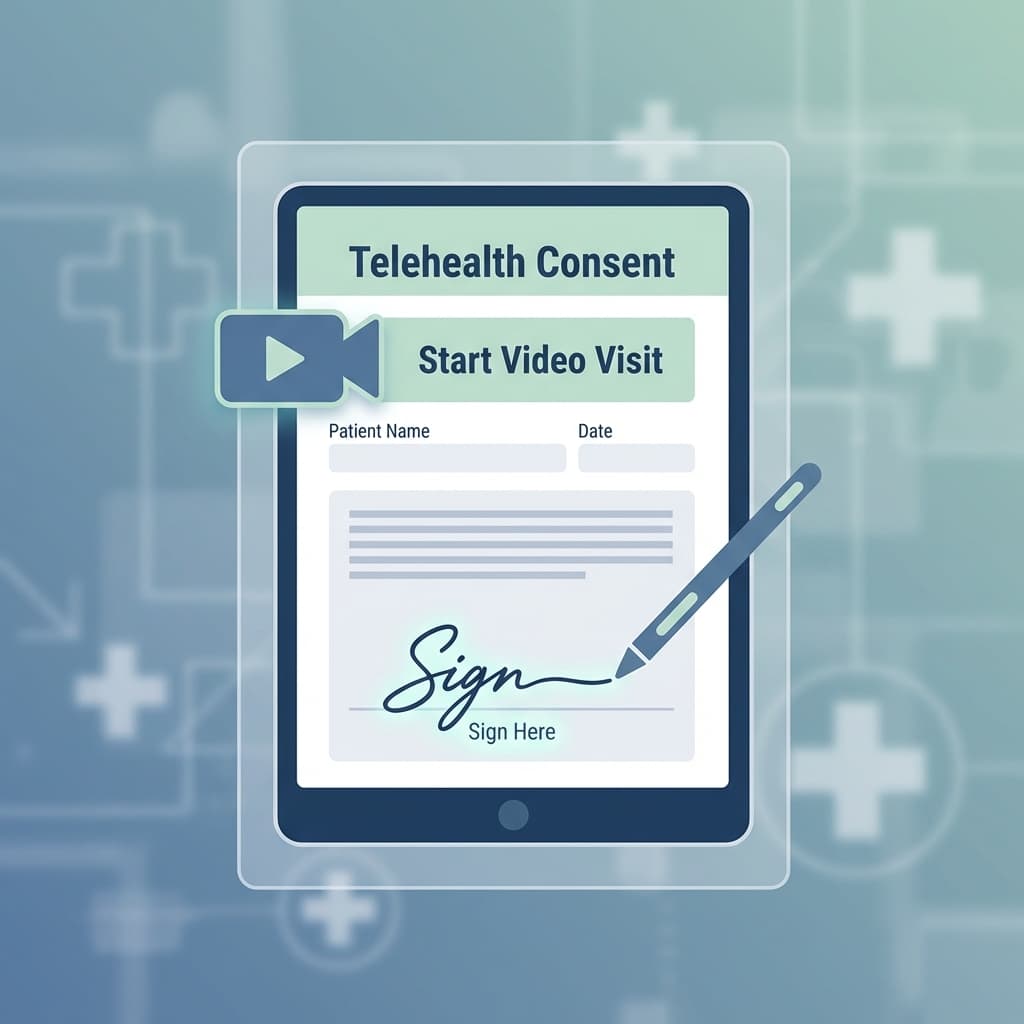
CONSENT FOR TELEHEALTH SERVICES
1. Definition of Telehealth Telehealth involves the use of electronic communications (video/audio) to enable mental health professionals to provide service to individuals at a distance.
2. Technology & Confidentiality
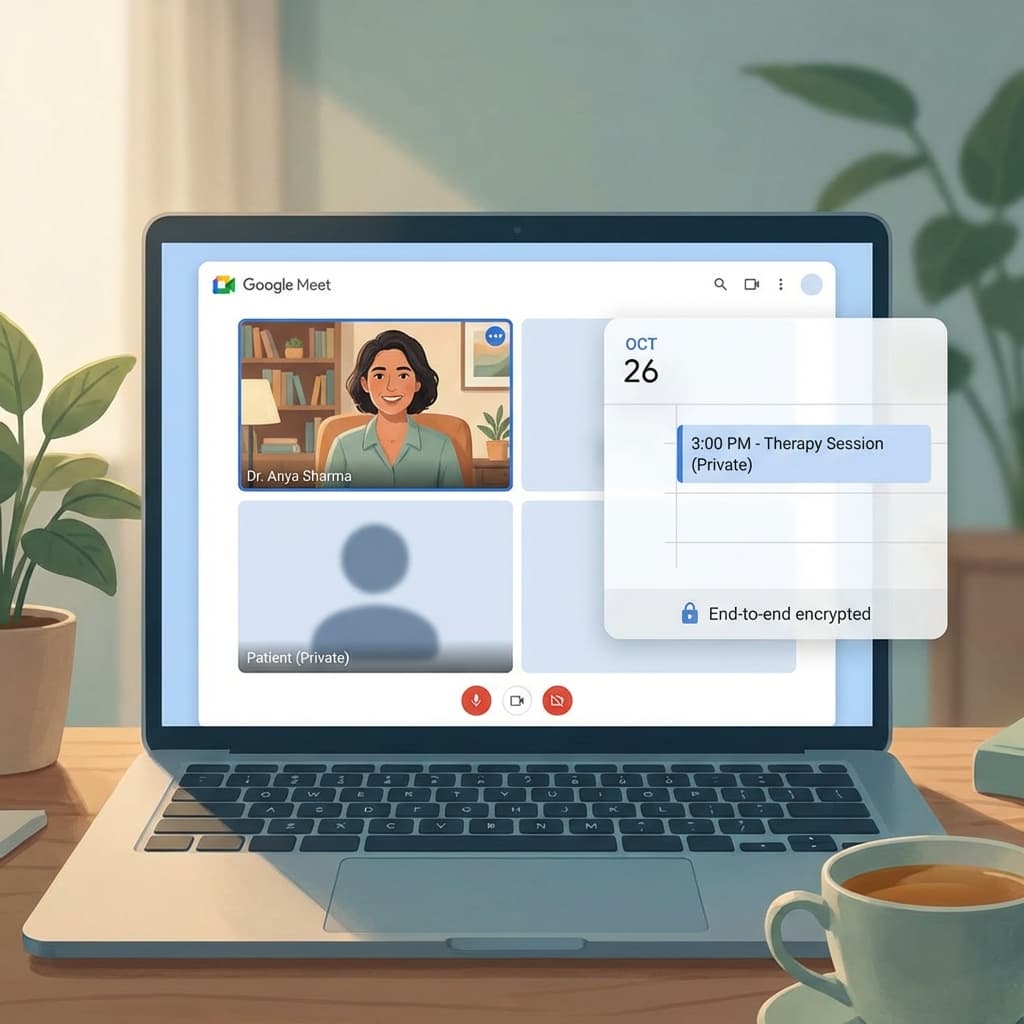
- We will use [Platform Name, e.g., Zoom/Google Meet/OnlyCaly], which complies with HIPAA privacy standards.
- While I use encrypted software, I cannot guarantee absolute security of technology (e.g., hacks, breaches) outside my control.
- Client Responsibility: You agree to be in a private, quiet space where you will not be overheard. You will not record sessions without written permission.
3. Technology Failures If we get disconnected:
- Try to reconnect for 5 minutes.
- If that fails, I will call you at the phone number on file: [Client Phone].
- If we cannot reconnect, we will reschedule the remainder of the session.
4. Emergency Protocol You confirm that accessing therapy remotely means I am not physically present to help in a crisis.
- Location: At the start of every session, you agree to confirm your physical address.
- Emergency Contact: If I believe you are in immediate danger, I am authorized to contact your emergency contact: [Name/Relation] or local emergency services (911) at your location.
5. Limitations Telehealth is not suitable for all issues. If I assess that your needs are too high for remote care (e.g., active suicidality, psychosis), I will refer you to an in-person provider.
Client Signature: __ Date: __
3 Critical Clauses Explained
1. The "Where Are You?" Clause
State licensure usually requires you to be licensed where the client is standing. If your client drives across state lines for vacation, you might be practicing illegally.
- Wording: "Client agrees to inform Provider of their physical location at the start of every session."
2. The "Backup Plan" Clause
Tech fails. Don't waste 15 minutes of a 50-minute session troubleshooting.
- Wording: "If video fails, we switch to phone immediately."
3. The "No Public WiFi" Clause
Starbucks is not a therapy office.
- Wording: "Client agrees to use a secure, private connection, not public WiFi."
How to Collect Consent Digitally
Do not email a PDF and ask them to print/scan (nobody has a printer).
- EHR/PMS: SimplePractice, Jane, or TherapyNotes have these built-in.
- Digital Sign Tools: HelloSign or DocuSign (ensure BAA enabled).
- Intake Forms: Embed the text in your digital intake form (e.g., Google Forms with HIPAA addon, or Typeform HIPAA).
FAQ
Can I do therapy via FaceTime? Technically, Apple claims FaceTime is encrypted, but it is generally not HIPAA compliant because Apple will not sign a BAA for standard consumers. Stick to Zoom for Healthcare, Google Meet (Workspace), or Doxy.me.
Is verbal consent enough? In some jurisdictions, yes, if documented in your notes ("Explained telehealth risks, client agreed"). However, written consent is the gold standard for liability protection.
Seamless Telehealth Scheduling OnlyCaly integrates directly with Zoom and Google Meet, generating unique, secure links for every consent-signed session automatically.